Best Waterproof Functions for Deluxe Outdoor Camping Tents
Deluxe camping, usually called glamping, guarantees comfort without compromising the thrill of resting under the stars. However none of that comfort matters if an unexpected rainstorm turns your outdoor tents into a pool. High-end camping tents are evaluated not just by their deluxe interiors and sizable layouts, yet by how well they maintain water out when the climate turns. Below's a check out the water-proof functions that divide a truly superior outdoor tents from a common one.
Hydrostatic Head Rating: The Numbers That Matter
Every significant camper ought to recognize hydrostatic head (HH) ratings before acquiring a tent. This dimension indicates just how much water pressure a material can hold up against before it starts to leakage, shared in millimeters. A rating of 1,500 mm may take care of light rain, however deluxe outdoors tents built for authentic climate resistance typically start at 3,000 mm and can get to 10,000 mm or greater for the floor, which takes the most direct water stress and ground moisture.
Why the Floor Requirements a Greater Ranking
The groundsheet endures pooling water, sharp debris, and consistent contact with wet soil, so producers normally provide it a greater HH rating than the walls or rainfly. A properly designed deluxe outdoor tents will note separate scores for each and every part as opposed to a single blanket number.
Fabric Coatings and Materials
The base material only informs half the tale. What's used in addition to it makes the real difference in weatherproofing.
Polyurethane and Silicone Coatings
Polyurethane (PU) finishings prevail due to the fact that they're economical and resilient, though they can break down with extended UV direct exposure. Silicone-treated materials, commonly called silnylon or silpoly, stand up to UV damages far better and continue to be adaptable in cool temperature levels, making them a favored in costs outdoor tents lines. Some deluxe versions incorporate both, using silicone on the external layer for UV and water resistance while utilizing PU on the internal layer for an added wetness barrier.
Ripstop Weaves
Ripstop nylon or polyester uses a reinforced weaving technique that stops little splits from spreading out into larger slits. This matters for waterproofing because a compromised fabric surface area, also a pinhole tear, can allow water seep with a seam or covering in time.
Seam Construction and Securing
Textile can be completely water resistant, but stitched joints produce countless tiny needle holes that water will certainly make use of. This is where seam sealing divides spending plan camping tents from high-end ones.
Taped Seams
Factory-taped seams make use of heat-bonded water-proof tape used directly over stitching throughout manufacturing. This is much more dependable than joint sealer applied after purchase, and it's a typical attribute on higher-end camping tents.
Welded Seams
Some ultra-premium tents miss stitching altogether in essential locations, utilizing heat-welded or bonded joints instead. Without needle openings, these joints offer a virtually impenetrable barrier, though they include in production cost and normally appear just in top-tier items.
Rainfly Design and Insurance Coverage
A rainfly is the camping tent's first line of protection, and its design establishes exactly how well it channels water away as opposed to letting it swimming pool.
Full-Coverage Flies
High-end tents commonly feature rainflies that expand close to the ground on all sides, as opposed to partial protection that leaves mesh panels revealed. Full coverage minimizes wind-driven rain seepage and helps catch warmth throughout cooler nights.
Vestibules and Overhangs
Prolonged vestibules create a completely dry buffer zone for storing boots, gear, or perhaps cooking devices, maintaining the primary resting area without water tracked in from outside. Overhangs over doors and windows add an additional layer of security when flaps are opened for air flow during a tornado.
Waterproof Zippers and Closures
Windows and doors are all-natural weak points, and typical zippers can let water drip through their teeth. Lots of luxury camping tents currently use YKK AquaGuard zippers or comparable water-proof zipper yert tent technology, coupled with tornado flaps that fold over the zipper line as an additional obstacle.
Air flow Without Compromise
Actually, among the most significant resources of indoor moisture isn't rainfall in all, it's condensation. Warm air from breathing and temperature fulfills the cooler tent walls and develops wetness inside. Premium camping tents address this with adjustable mesh vents, roofing system cupolas, or eyebrow vents that permit airflow without letting rainfall in straight.
Groundsheets and Bathtub Floors
A "tub flooring" layout raises the seams of the groundsheet a number of inches up the outdoor tents wall surfaces, so there's no seam at ground level where water naturally accumulates. This solitary design choice stops one of the most usual resource of floor leaks in lower-quality camping tents.
Person Lines, Risks, and Architectural Drainage
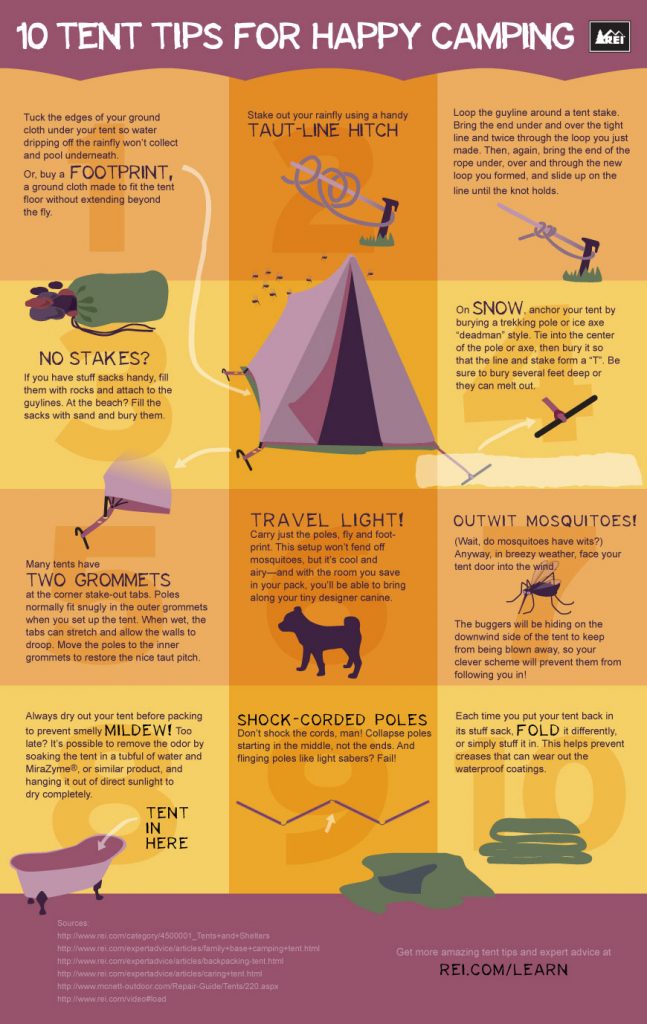
Even the very best water resistant textile falls short if the tent sags and pools water on its roofing system. Reflective, adjustable person lines incorporated with tough risks keep tension even, making sure rainfall slides off as opposed to accumulating in reduced places. Some deluxe tents also include built-in drainage channels along the base to redirect runoff away from entry points.
Final Thoughts
Waterproofing in luxury tents isn't a single feature, it's a system of coated fabrics, sealed seams, smart rainfly layout, quality zippers, and thoughtful ventilation collaborating. When buying a costs camping tent, look past the indoor features for a moment and inspect the HH scores, seam building, and floor design. Those details are what will maintain your glamping experience comfy, completely dry, and stress-free, regardless of what the sky chooses to do.